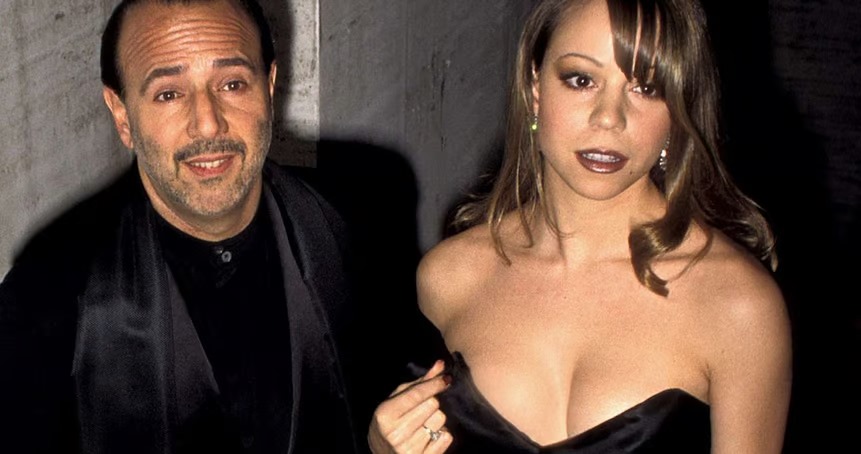
Mariah and Tommy began their story with a demo tape at an industry party in October 1988. Part one of our Tommy Mottola biography series follows Mariah Carey’s discovery, her early work with Ben Margulies and the creation of her debut album.
Mariah and Tommy meet through Brenda K. Starr
Singer Brenda K. Starr handed Mottola a demo tape and introduced him to her backup singer, Mariah Carey. He played the tape after leaving the party. The third and fourth songs convinced him to turn the car around.

Meanwhile, it took Mottola three days to locate Carey and arrange a meeting. She arrived with her mother and confirmed that the extraordinary voice on the tape was hers. Mottola immediately told her that he wanted to sign her.
The Woodshop sessions with Ben Margulies
However, Carey had already signed a production agreement with keyboard player Ben Margulies. Mottola visited their small studio inside a working woodshop and heard Carey sing at close range. Her power strengthened his determination to secure a deal.
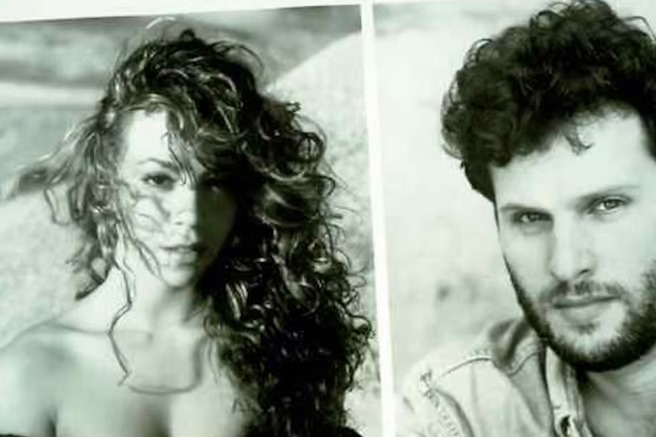
Therefore, Sony gave Carey an advance so she could leave her friend’s apartment and focus on music. Mottola wanted the debut album to establish her career properly, even if that process took time.
However, he doubted that Margulies could produce the finished record. Sony eventually reached an agreement that allowed Carey to work with other producers. Margulies received payment and royalties for his songwriting and early production.
A professional relationship becomes personal
Meanwhile, Mottola continued visiting the Woodshop to review Carey’s progress. He admired her discipline, while she trusted his judgment about the music. Over time, he believed their professional connection had become romantic.
His therapist strongly warned him to keep the relationship professional. Carey was young, had experienced family instability and depended on Sony for her career. Mottola nevertheless focused on her potential and predicted that she would become a global star.
Narada Michael Walden joins the debut album
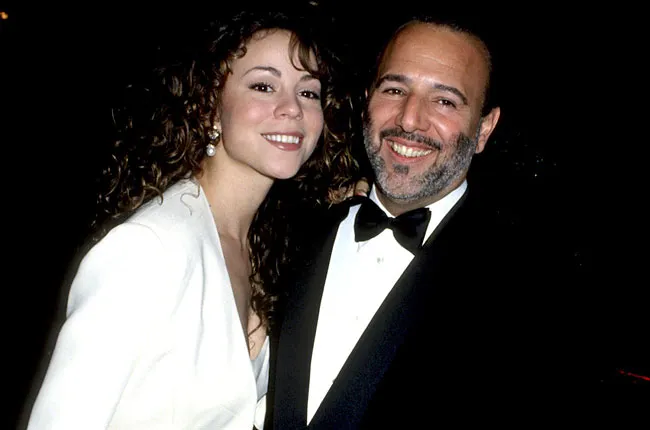
Next, after Carey gained freedom to work with other producers, Mottola approached Narada Michael Walden. Walden had produced major hits for Whitney Houston and Aretha Franklin. At first, he hesitated to work with an unknown singer.

Eventually, Mottola persuaded him to accept the project. Walden then helped develop “Vision of Love,” a ballad that displayed Carey’s range and became the natural choice for her debut single.
Carey did not welcome every production change. She had grown used to working independently with Margulies. Still, Mottola believed an experienced producer could bring the songs to a wider audience.
Preparing Mariah Carey’s launch
Finally, Sony planned intimate promotional performances for radio and retail professionals. The company avoided elaborate staging so Carey’s voice could remain the focus.
The strategy aimed to present her as a serious vocalist from the beginning. It also laid the foundation for the rapid success described in the next part of the series.
Continue to part two